
Jeanne Felix TRAVEL AT HEART, Division of Cordially Yours Travel
Call: 916-768-0210 | Email: | Address: 4400 Duncan Hill Road, Rescue, CA 95672
Call: 916-768-0210 | Email: | Address: 4400 Duncan Hill Road, Rescue, CA 95672

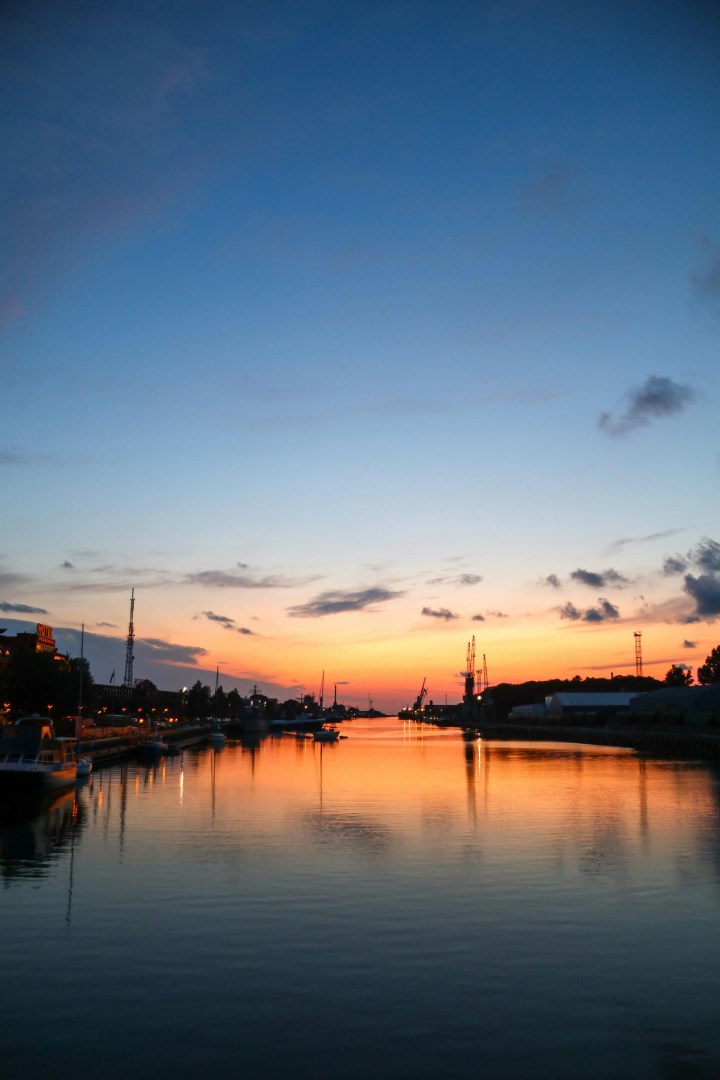
Liepāja is a coastal city in western Latvia, positioned between the Baltic Sea and Lake Liepāja. Its identity has long been shaped by the sea, port activity, industry, and music, while the city center contains a notable collection of wooden and Art Nouveau buildings. A broad sandy beach stretches along the coast, separated from the urban area by the large Seaside Park. The Trade Canal connects the lake with the Baltic Sea and passes through the city, where fishing boats and yachts can be seen near the waterfront. Liepāja is Latvia’s third-largest city and an important cultural center in the Kurzeme region.
Music is an important part of Liepāja’s cultural identity. The city is home to the Liepāja Symphony Orchestra and the Great Amber concert hall, whose distinctive amber-colored building has become a major architectural landmark. The historic Holy Trinity Cathedral is another notable site, particularly for its large mechanical organ, while St. Anne’s Church contains an important Baroque wooden altar. Liepāja also has a strong maritime and military heritage. Karosta, a former naval district, contains the Russian Orthodox St. Nicholas Naval Cathedral, military fortifications, and the Karosta Prison, which is now open to visitors as a museum.
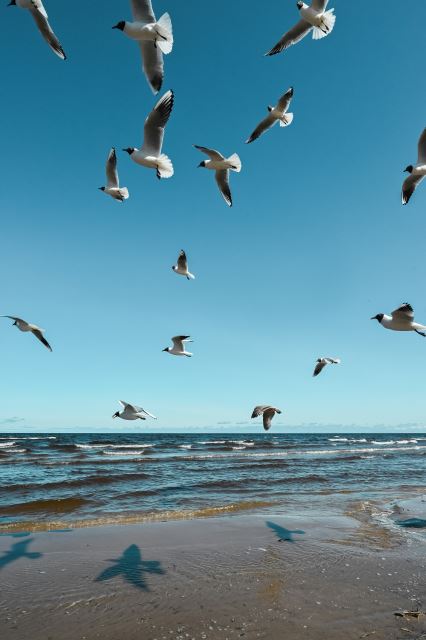
The city’s coastal environment is one of its defining features. Liepāja Beach extends for about eight kilometers and is known for its fine white sand, while the adjoining Seaside Park provides walking and cycling paths among extensive plantings. In Karosta, the Northern Forts and breakwaters overlook the Baltic Sea and form part of the remains of the former military complex. Lake Liepāja, separated from the sea by the city and connected by the Trade Canal, is a protected area important for nesting and migratory birds. These varied landscapes place beaches, wetlands, forests, and historic military structures within easy reach of the city center.
Food in Liepāja reflects Latvia’s coastal setting, with fish and other seafood appearing regularly in local restaurants and markets. Peter’s Market is a useful place to encounter regional produce and traditional food products, while cafés and restaurants around the center add contemporary Latvian cooking to the city’s culinary scene. Amber is another distinctive local detail: pieces can sometimes be found along the beach after strong winds, and the city even has an Amber Clock made from donated amber. Liepāja’s combination of maritime traditions, music, military heritage, and Baltic landscapes gives it a character distinct from Latvia’s inland cities.

Jeanne Felix TRAVEL AT HEART, Division of Cordially Yours Travel | Call: 916-768-0210 | Email: Jeanne@thegrid.net


[California Seller of Travel CST-1013939-40 ]